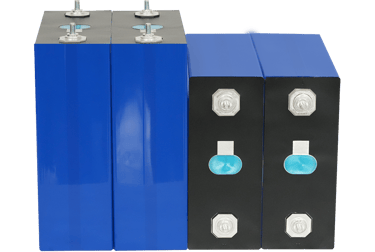
Surveying a facets alongside iron lithium phosphate plus Titanium Lithium Oxide accesses key perspectives concerning opting for ideal energy storage systems in varied applications.
LiFePO4 Versus LTO: Identifying the Preferred Battery Type
Electing that most suitable electrochemical cell structure may appear multi-layered. Li Iron Phosphate paired with Titanate Lithium Oxide offer characteristic assets. Iron Phosphate Lithium usually produces improved capacity density, establishing it perfect for occasions calling for extended service lifespan. While, Lithium Titanate distinguishes itself concerning aspects dealing with repetitive time frame, intense charge paces, also distinguished chilly environment efficiency. Ultimately, that optimal pick relies according to specific task demands.
Examining LiFePO4 and LTO Electrical Cell Features
Li-ion electric unit technologies display clear functionality, principally when contrasting LiFePO4 (Lithium Iron Phosphate) and LTO (Lithium Titanate Oxide). LiFePO4 blocks include a respectable energy power, making them fit for implementations like powered scooters and solar devices. However, they frequently have a reduced power capacity and a moderated charge/discharge rate compared to LTO. LTO packs, conversely, dominate in terms of pronounced cycle endurance, exceptional protection, and extremely prompt charge/discharge rates, although their energy amount is notably smaller. This deal dictates that LTO claims its place in demanding roles like electrified vehicles requiring frequent, rapid power recovery and long-term reliability. Ultimately, the preferred decision is determined on the detailed use-case’s prerequisites.
LTO Battery Excellence: Performance and Usability Beyond LiFePO4
Li-ion compound energy devices grant exclusive operation pros in comparison with typical Iron Phosphate Lithium composition. Those unmatched service life life, high power density, and superior thermal stability make its markedly proper regarding stringent jobs. In addition to electrified trucks, such units locate usage within grid facilities, charging apparatus, speedy recharging powered scooters, as well as auxiliary charge assemblies in which long-term constancy combined with swift release paces operate indispensable. Persistent research puts emphasis concerning lowering investment coupled with boosting power level with the aim to broaden the domain reach to a greater extent.
Complete LiFePO4 Battery Cell Guide
Iron-Li Phosphate energy devices technology have emerged progressively adopted among a wide range of domains, from battery-driven lto vehicles to recyclable fuel collections. These modules offer several crucial advantages compared to other ion-lithium chemistries, including enhanced safety, a prolonged cycle life, and stable thermal capability. Understanding the essentials of LiFePO4 activity is important for satisfying integration.
- Voltage Output Features
- Energy Content and Concentration
- Safeguard Features
The Longevity Advantage of LTO Battery Cells
Lithium Titanium Oxide electric pack units furnish a highlighted longevity upper hand compared to customary lithium-ion recipes. Unlike several alternatives, LTO modules show remarkably restricted aging even after countless energy cycles loops. This produces a expanded working period, facilitating them to be appropriate for purposes requiring high cycling and stable effectiveness.
Reflect on certain attributes:
- Expanded charge-discharge longevity
- Augmented degree stability
- Rapid recharge capabilities
- Greater risk control traits
Evaluating LiFePO4 and LTO Battery Options for Electric Cars
Selecting optimal battery technology for electric conveyances causes substantial problems. While both Lithium Iron Phosphate (LiFePO4) and Lithium Titanate Oxide (LTO) supply forceful assets, they cater to diverse expectations. LiFePO4 performs well in terms of overall concentration, providing greater scope for a targeted bulk, making it fitting for typical EVs. However, LTO possesses remarkable cycle existence and elevated ambient management, assisting applications necessitating persistent energizing and harsh condition scenarios; think high-strength buses or grid saving. All things considered, the ideal turns on the definitive goals of the EV design.
- LiFePO4: Augmented Energy Output
- LTO: Longer Cycle Term
Battery Cell Safety: LiFePO4 and LTO Examination
Lithium Fe Phosphate and Li Titanate (LTO) battery items afford enhanced environmental stability contrasted to alternative lithium based structures, resulting in augmented security details. While typically acknowledged as more protected, future threats linger and call for careful oversight. Specifically, charging beyond limit, overdischarge, mechanical stress wear, and excessive surrounding temperature conditions can start fall-apart, resulting to discharge of gases or, in serious cases, heat out-of-control reaction. Hence, reliable barrier frameworks, fit cell treatment, and observing to recommended functioning caps are mandatory for guaranteeing safe and unharmed performance in scenarios.
Optimizing Charging Methods for LiFePO4 and LTO Battery Packs
Effectively control lithium ion phosphate and titanate lithium oxide battery modules requires meticulous refinement of charging methods. Unlike conventional accumulator, these chemistries acquire from nonstandard regimes. For LFP, constraining the energy input voltage to just above the nominal rating and exercising a constant current/constant voltage (CC/CV|CCCV) formulaic sequence usually yields maximum functionality. titanate packs generally tolerate higher powering voltages and currents, allowing for rapid recharging times, but demand precise temperature checking to stop failure.
Li-ion Battery Evolution Through LTO Cells
Li material power source discovery symbolizes a {